The Ultimate Guide to DIY Material Calculators
Stop over-ordering and wasting money. This comprehensive guide covers every DIY material calculator you need for landscaping, gardening, and construction projects.
Whether you're building a raised garden bed, laying a paver patio, seeding a new lawn, or pouring a concrete slab, one of the biggest mistakes DIY homeowners make is guessing how much material they need. Over-ordering wastes money. Under-ordering means a second trip to the supplier and potential project delays.
Material calculators solve this problem completely. Enter your dimensions, get an exact number. No math degree required.
The 10 Essential DIY Material Calculators
Here are all 10 calculators available on HowMuchCalcs.com, organized by project type:
Garden & Landscaping Calculators
- Raised Bed Soil Calculator — Calculate cubic feet and bags of soil for any raised garden bed. Read the full guide: Raised Bed Soil Guide.
- Mulch Calculator — Get cubic yards and bag counts at 2, 3, or 4 inch depth. Full guide: How Much Mulch Do I Need?
- Topsoil Calculator — Cubic yards, weight, and 40 lb bag counts for any lawn or garden project.
- Sod Calculator — Pallets and rolls of sod with 5% waste built in. Guide: Sod Installation Guide.
Masonry & Hardscape Calculators
- Concrete Calculator — Cubic yards and bag counts for slabs, footings, and driveways. Guide: Concrete Calculator Guide.
- Gravel Calculator — Tons and cubic yards of gravel for driveways, paths, and bases. Guide: Gravel Calculator Guide.
- Sand Calculator — Tons and bags of sand for paver bases, sandboxes, and pool installations.
- Pavers Calculator — Count paving stones for any size patio or walkway with waste factor. Guide: Pavers Calculator Guide.
- Pea Gravel Calculator — Cubic yards and tons for paths, fire pits, and playgrounds.
Flooring Calculator
- Tile Calculator — Tile count with waste factor for any room size and tile size. Guide: Tile Calculator Guide.
Ready to Calculate?
All calculators are free, instant, and require no account.
How to Use a Material Calculator Correctly
Overview of the ultimate guide to diy material calculators
The basic formula behind every volume calculator is the same:
Volume = Length × Width × Depth
The key differences are the unit conversions and density factors:
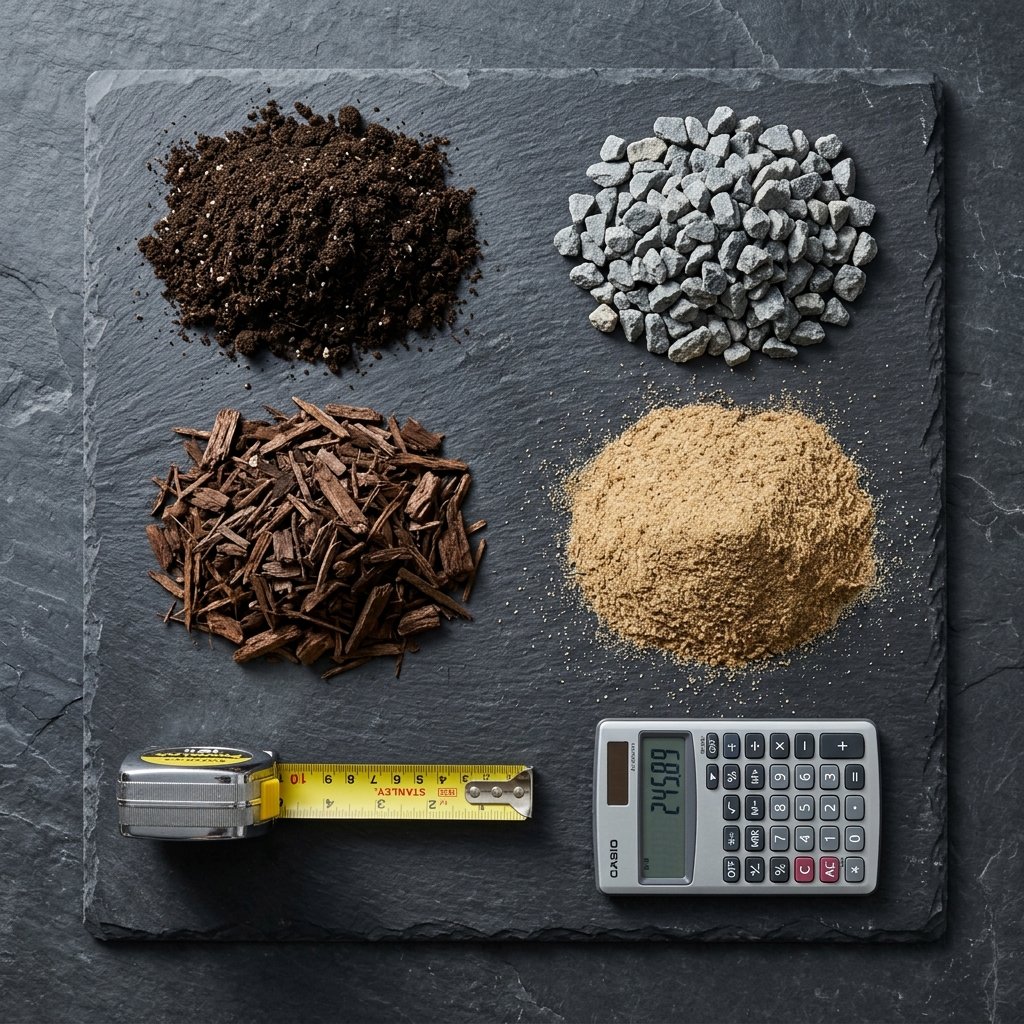
- Soil, Mulch, Sand, Gravel, Topsoil, Pea Gravel: Volume in cubic yards (divide cubic feet by 27). Weight in tons (multiply cubic yards by material density).
- Concrete: Cubic yards for ready-mix, bag count for bagged concrete.
- Tile, Pavers, Sod: Count-based — area divided by single-unit area, multiplied by waste factor.
Common Mistakes to Avoid
Project planning and measurement
- Not adding a waste factor: Always add 10% for materials and 10–15% for tiles and pavers.
- Mixing up cubic feet and cubic yards: 1 cubic yard = 27 cubic feet. Most bulk materials are sold by the cubic yard.
- Forgetting weight limits: Before ordering a large delivery, confirm your driveway or lawn can handle the weight. A cubic yard of wet soil weighs nearly 3,000 lbs.
- Not accounting for compaction: Gravel, sand, and soil compact after installation — order 10% extra to compensate.
- Ordering too late: Popular bulk materials like topsoil and sod have lead times, especially in spring. Order 3–7 days in advance.
Start With Your Project Type
 Material close-up
Not sure which calculator you need? Here's a quick project guide:
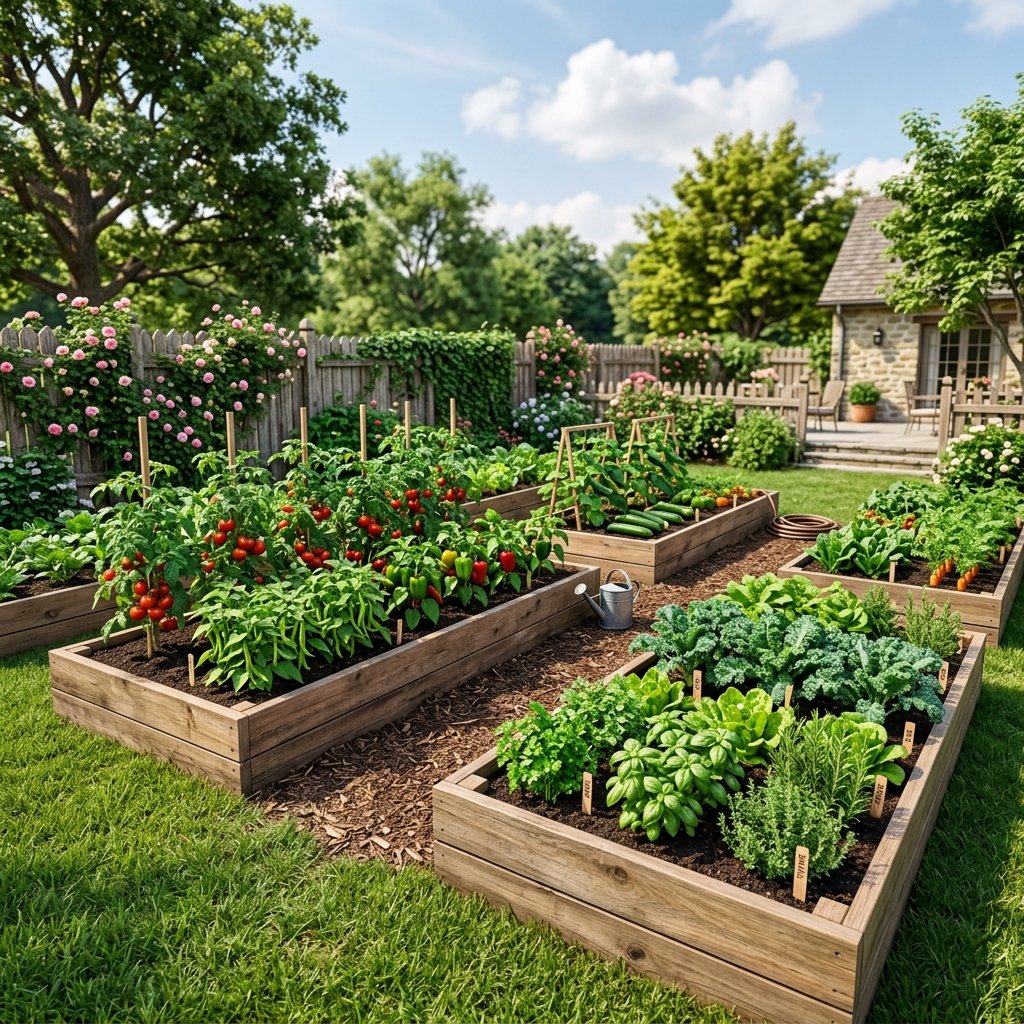
- Building raised garden beds: Soil Calculator
- Mulching garden beds: Mulch Calculator
- New lawn installation: Topsoil + Sod Calculator
- Patio or walkway: Gravel + Sand + Pavers Calculator
- Concrete slab: Concrete Calculator
- Tiling a bathroom or kitchen: Tile Calculator
- Garden path or fire pit: Pea Gravel Calculator